
What Skipping Fall Maintenance Actually Costs You
Put this off again and the bill doesn't stay small. A spring that's been quietly corroding from months of humidity doesn't just squeak louder—it snaps, often while the door is halfway open, and that's an emergency call plus a door that's stuck until a technician arrives. An opener that's been straining against swollen wood panels or a dragging track will burn out its motor early instead of lasting another several years. Weatherstripping that's cracked from UV and salt air lets wind-driven rain into the garage during the next afternoon downpour, soaking stored boxes, tools, or a second refrigerator. None of this is dramatic in October. It becomes dramatic in January when the part finally fails, usually on the coldest morning of the year or right before a trip.
Why This Season Matters for Your Door
Central Florida doesn't get a hard winter, but the shift out of hurricane season brings real changes that affect a garage door. Months of high humidity and heavy afternoon storms leave moisture trapped in hardware, tracks, and panel seams. As the air finally dries out and nights cool, metal parts contract slightly, rubber seals stiffen, and anything that was already rusting gets brittle. This is the window to catch problems before they're locked in by six more months of heat and humidity next year.
Check for Rust and Corrosion Now
Rust doesn't announce itself—it shows up as orange streaks on tracks, stiff hinges, or a spring coil that looks flaky instead of smooth. Homes closer to the coast deal with salt air on top of general humidity, which speeds this up on hinges, rollers, and spring coils. Run a hand along the tracks and springs (door closed, opener unplugged) and look for pitting or flaking metal. Light surface rust can be wire-brushed and treated with a silicone-based lubricant; anything that's eaten into the metal, especially on a torsion spring, is a replacement issue, not a cleaning one.
Inspect Weatherstripping and Seals
The rubber seal along the bottom of the door and the vinyl stripping around the frame take a beating from UV exposure and repeated wet-dry cycles during storm season. Cracked or flattened seals let in wind-driven rain, dust, and the occasional palmetto bug. Press a thumb into the seal—if it doesn't spring back, it's past its useful life. Replacing it is inexpensive (typically in the $20–$75 range for materials depending on door width) and prevents water from pooling against stored belongings.
Test the Door's Wind Resistance Hardware
Homes in this area are built with wind-load rules in mind, which means garage doors here often have reinforcing struts, heavier track brackets, or a bracing kit. After a season of storms, check that these components are still tightly fastened and not bent or loosened from wind pressure. A strut that's shifted even slightly reduces the door's resistance the next time it matters, and you want that caught in the calm months, not during an actual weather event.
Address Panel Swelling and Alignment
If your door has any wood components or wood-look composite panels, months of humidity can cause swelling that throws off alignment with the tracks. Signs include a door that scrapes on one side, takes more effort to open manually, or doesn't sit flush when closed. As humidity drops, panels often shrink back, but misaligned tracks or rollers won't correct themselves—they need to be reset.
Lubricate Moving Parts
Hinges, rollers, and the torsion spring itself should get a light coat of a silicone or lithium-based garage door lubricant—not household oil, which attracts grit and dries out fast in this climate. Do this after wiping down tracks and hardware so you're not sealing in trapped moisture or sand kicked up by storm winds.
Listen to the Opener
Grinding, hesitation, or a door that reverses on its own partway through closing are early warnings that the opener's gears, sensors, or chain are struggling, often because of debris or moisture intrusion during the wet months. Clean the photo-eye sensors near the floor track—pollen and storm grit collect there and cause false reversals—and watch for any lag between pressing the remote and the door actually moving.
Plan Ahead If You're Storing More in the Garage
If the garage becomes extra storage during the holidays—decorations, luggage, overflow from indoor projects—make sure nothing is leaning against the tracks or blocking the sensor beam. Added weight near the door opening or boxes stacked against the wall can interfere with the safety reversal system without anyone noticing until the door won't close properly.
When to Call Fern Park Overhead Door Co
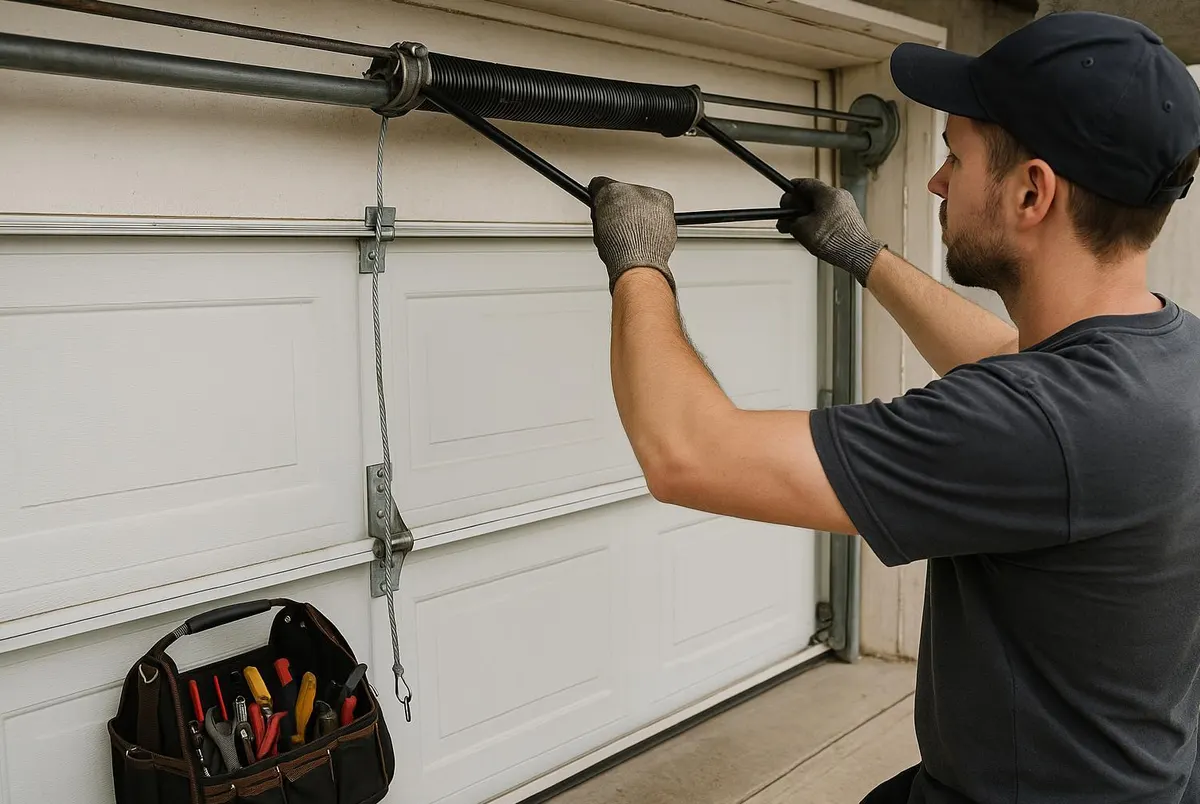
If you find flaking rust on a spring, a strut that's loosened, or a door that's noticeably harder to lift than it used to be, that's past the DIY-lubrication stage. Our Garage Door Maintenance visits cover a full inspection of springs, tracks, hardware, and opener components, catching the kind of wear that's common after a long wet season before it turns into a breakdown. If a spring has already failed or looks compromised, our Garage Door Spring Repair service handles that safely—these are under serious tension and not something to tackle solo. We serve Fern Park, Casselberry, Winter Springs, Altamonte Springs, Longwood, Maitland, Winter Park, and Sanford.
Don't wait for a cold morning and a jammed door. Call Fern Park Overhead Door Co today to get your garage door checked and ready for the season ahead.